Introduction
In an uncertain globe, recognizing just how to conserve a life can be one of the hltaid011 First Aid Training most effective ability one can have. Cardiopulmonary resuscitation, commonly called mouth-to-mouth resuscitation, is an important tool in emergency situation circumstances where someone's heartbeat has actually quit. It's necessary for not only healthcare experts however additionally for ordinary citizens who desire to make a difference. This comprehensive short article explores the subtleties of mouth-to-mouth resuscitation, including its importance, strategies, and the thorough training given in CPR courses.
Understanding CPR: The Lifesaving Abilities Taught in CPR Courses
CPR is more than simply a collection of compressions and breaths; it is a lifesaving strategy that combines knowledge with functional abilities. Recognizing mouth-to-mouth resuscitation involves recognizing when it is necessary and carrying out the suitable actions effectively. The major function of CPR is to keep blood flow to crucial organs till specialist clinical assistance gets here.

Why Is Knowing CPR Important?
Lifesaving Potential: One of the most engaging reasons to discover mouth-to-mouth resuscitation is its ability to conserve lives. According to the American Heart Association (AHA), prompt mouth-to-mouth resuscitation can increase or perhaps triple a victim's opportunity of survival after heart arrest.
Common Occurrences: Heart attacks can take place anywhere-- in the house, work, or public places. Having individuals learnt mouth-to-mouth resuscitation raises the probability of punctual assistance.
Empowerment: Learning CPR empowers individuals with the self-confidence and capability to act decisively during emergencies.
Community Impact: A neighborhood furnished with individuals trained in emergency treatment and CPR produces safer settings for everyone.
What Are the Goals of a First Aid Course?
First aid programs commonly intend to equip participants with crucial skills required in emergencies:
- Understanding Basic Life Support (BLS): Individuals find out about air passage management, breathing support, and circulation restoration. Identifying Emergencies: Training consists of acknowledging different emergencies like choking, drowning, or heart attacks. Learning Techniques: Practical sessions focus on hands-on learning of techniques such as upper body compressions and rescue breaths.
Types of mouth-to-mouth resuscitation Courses Available
There are different kinds of mouth-to-mouth resuscitation training courses readily available depending upon specific demands:
- Aimed at healthcare providers and professionals. Covers adult, child, and baby resuscitation techniques.
- Designed for nonprofessionals or non-healthcare professionals. Emphasizes emergency treatment essentials together with adult/child/infant resuscitation.
- Convenient option for those with limited schedules. Often includes video presentations yet lacks hands-on method unless incorporated with in-person sessions.
- Tailored programs created for details work environment environments. Focus on relevant circumstances workers may encounter.
What Skills Are Covered in Emergency Treatment and CPR Courses?
1. Recognizing Emergencies
Participants discover how to determine vital situations requiring treatment quickly.
2. Carrying Out Chest Compressions
Chest compressions are fundamental in maintaining blood flow during heart arrest.
3. Providing Rescue Breaths
Breathing techniques guarantee oxygen reaches vital body organs when somebody can not take a breath independently.
4. Using an Automated External Defibrillator (AED)
Training commonly includes how to make use of an AED efficiently, which can recover regular heart rhythms.

5. Handling Choking Incidents
Students are shown just how to execute abdominal drives on choking victims both adults and infants.
6. Handling Various Other Clinical Emergencies
Courses may also cover different clinical circumstances like strokes or extreme allergic reactions.
The Value of Accreditation After Finishing a Course
Obtaining a first aid certificate after finishing your training is crucial for a number of reasons:
- It verifies your abilities and knowledge. Many work environments require certification for details roles. It builds credibility among peers and employers regarding your readiness to respond in emergencies.
Detailed Description of Trick Techniques Taught in Mouth-to-mouth Resuscitation Courses
Chest Compressions: The Foundation of CPR
Chest compressions are arguably one of the most important element of performing effective cardiopulmonary resuscitation due to the fact that they distribute blood with a victim's hltaid012 Child Care First Aid Course body even when their heart has actually stopped beating:
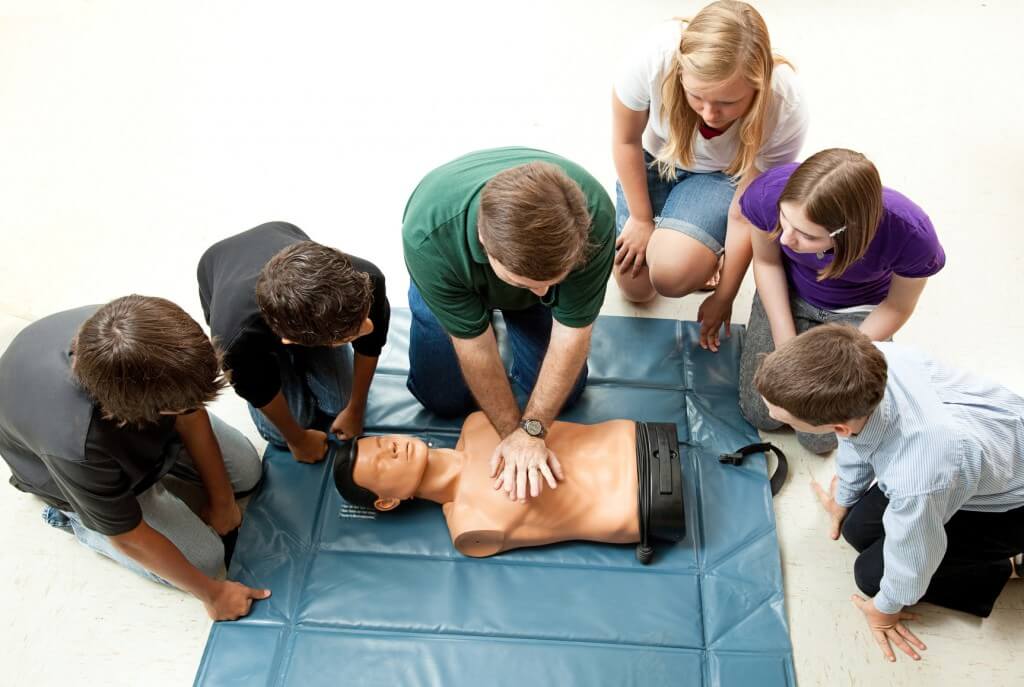
- Place your hands at the facility of the person's chest. Keep your arm joints straight while pushing down hard and fast at a price of 100-- 120 compressions per minute. Allow full upper body recoil between compressions for optimal blood flow.
Rescue Breaths: Giving Oxygen When It Issues Most
After every 30 breast compressions, it is vital to provide two rescue breaths if trained:
Open the respiratory tract by tilting the head back slightly. Pinch the nose closed while securing your lips around their mouth. Give two breaths lasting concerning one 2nd each while watching for upper body increase prior to proceeding compressions.Recognizing Cardiac Arrest vs Other Emergencies
Understanding when to start mouth-to-mouth resuscitation can be challenging however is paramount:
- Look for unresponsiveness combined without any normal breathing or pulse-- this shows heart arrest. In instances where there is still taking a breath but it shows up uncommon (wheezing), call emergency situation services immediately prior to waging rescue efforts.
Using AEDs Properly During Emergencies
An Automated External Defibrillator (AED) offers clear guidelines using aesthetic motivates and voice commands:
Turn on the AED as soon as you fetch it from its case. Attach pads according to pictures on them-- one pad must exceed the right nipple while another goes below the left armpit. Ensure no person touches the target while examining their heart rhythm; deliver shock if encouraged by device prompts.FAQs About Understanding CPR
Q1: How much time does it take to complete an emergency treatment course?
A: A lot of emergency treatment courses last in between 4-- 8 hours depending on web content depth; sophisticated accreditations might need longer sessions spread over numerous days.
Q2: Can I take an emergency treatment course online?
A: Yes! Lots of companies supply blended knowing alternatives where theoretical parts are finished online complied with by practical assessments in person.
Q3: Is accreditation legitimate indefinitely?
A: No; accreditations typically require revival every two years due to developments in standards and practices within emergency reaction training fields like those included with first aid training courses or BLS qualifications particularly focused on effective care delivery techniques throughout crises ran into throughout various environments-- from homes through workplaces!
Q4: Will I discover exactly how to help youngsters or infants?
A: Yes! Many high quality training courses cover methods customized particularly toward pediatric individuals along with adult-focused training modules guaranteeing broader applicability throughout age groups throughout emergency situations experienced everyday within our communities!
Q5: What are some typical misconceptions about doing CPR?
A: A common mistaken belief is that you must not try any kind of kind until qualified specialists get here; nevertheless acting swiftly can dramatically boost results if launched correctly using details got via organized programs like those offered within First Aid & & CPD settings!
Q6: Do I need any kind of special equipment for my training session?
A: Typically talking all essential materials will certainly be supplied by instructors including manikins made use of technique situations entailing both compression-only versions along with standard rescue breath layouts guaranteeing detailed understanding gained throughout coursework undertaken within designated durations allocated as necessary based upon private schedules/preferences!
Conclusion
In final thought, recognizing cardiopulmonary resuscitation (CPR) equips people with life-saving abilities that might imply the distinction between life and death during emergencies including heart attack or other health and wellness crises requiring instant treatment prior to specialist help gets here! Registering on your own right into licensed emergency treatment courses ensures you're prepared needs to an unfortunate event occur around you-- encouraging not only individual self-confidence yet also promoting community durability overall! Whether you select online courses blended discovering techniques standard class setups inevitably leads in the direction of acquiring important insights improving reaction abilities responding effectively amidst uncertainty faced on a regular basis navigating uncertain scenarios integral daily living experiences shared collectively throughout society today!
By prioritizing education bordering these vital subjects we produce more secure environments fostering more powerful connections in between people making whole neighborhoods healthier holistically progressing together unified actively in the direction of accomplishing typical objectives visualized throughout shared trips ahead loaded promise hope brighter futures await all of us-- one heart beat at time!